
Marine Electrical
Yacht Electrical Schematics: What to Update Before a Refit
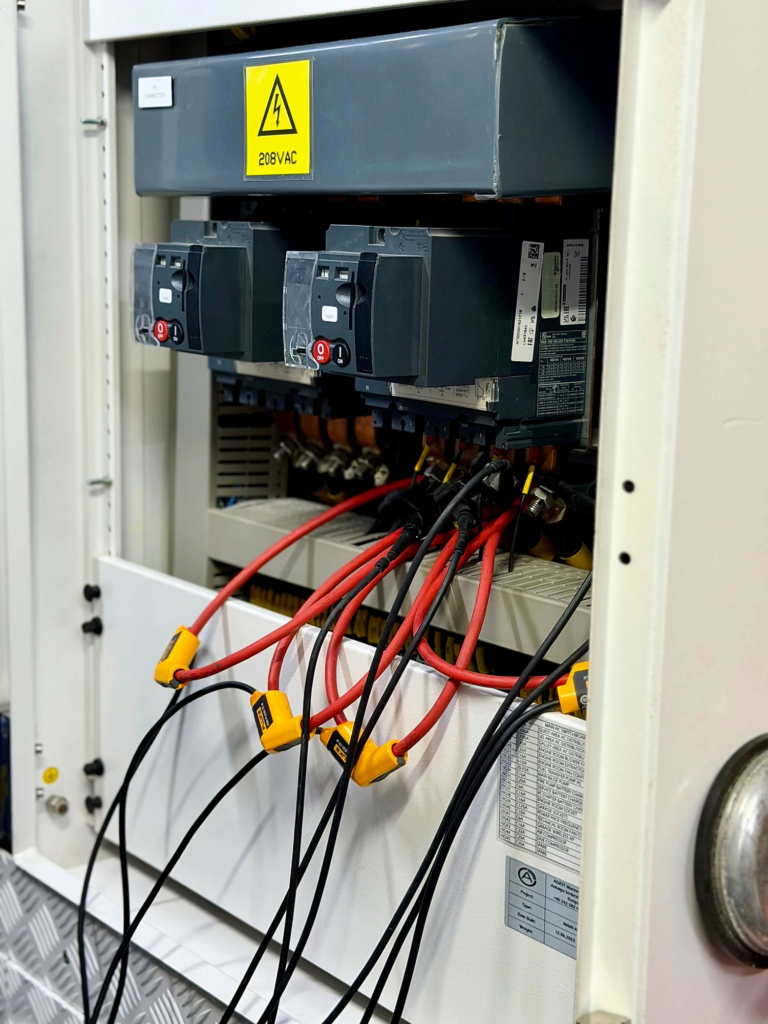
Yacht electrical schematics are most useful when they reflect what is actually aboard. After years of repairs, equipment changes, and upgrades, the original drawings may tell only part of the story. Reviewing those records before a refit gives the technical team a clearer starting point.
Fine Line Marine Electric includes professional system schematics within its diagnostics and survey capabilities. This guide helps captains, engineers, and owners organize existing documentation and define what needs verification or updating.
Start by collecting the available records
Bring together the documents held by the owner, captain, engineer, and previous contractors. Keep the originals and identify the source and date of each file. A folder full of drawings is easier to use when the team can tell which vessel, system, and revision each one describes.
- Electrical distribution drawings and available circuit schedules.
- Equipment manuals, model information, and installation records.
- Control-system and network diagrams relevant to the work.
- Previous survey reports and recorded deficiencies.
- Repair invoices, change notes, and marked-up drawings.
- Available commissioning and test records.
Mark gaps honestly. If a drawing is undated or its accuracy is uncertain, label it for review instead of treating it as the current installation record.
Distinguish design intent from the installed system
A design drawing shows an intended arrangement. An as-built record should describe the completed installation. The difference matters when a technician is tracing a fault, planning a replacement, or deciding what other equipment may be affected by a change.
Ask which drawings have been checked against the vessel and which still need verification. Photos can help explain an area, but they do not replace a confirmed circuit record. The depth of verification should be agreed with the technical team for the particular project.
Identify the systems affected by the refit
Begin with the planned work, then identify related systems and interfaces. An electronics upgrade may involve power distribution and data connections. New controls may involve sensors, alarms, and other equipment. The documentation scope should make those relationships understandable.
For a bridge project, the marine electronics upgrade checklist can help organize the inventory and installation questions. For wider power or distribution work, discuss the project with Fine Line’s marine electrical team.
Make labels and revisions usable
A drawing helps most when its references can be followed aboard. Ask how equipment names, circuit references, and drawing identifiers will be coordinated with the vessel’s labeling. Where existing labels and drawings disagree, record the discrepancy for investigation.
Use a clear revision process. Each change should identify what was updated and which version supersedes earlier material. Keep a controlled current set accessible to the crew, while preserving earlier versions as historical records. Decide who will maintain the documents after the yard period.
Define the documentation deliverables before work starts
Do not leave the handover package to the final day. Agree which drawings, schedules, equipment information, configuration records, and test reports are included in the scope. Confirm the file formats and whether editable source files are part of the deliverable.
Also discuss exclusions. A contractor updating one system may not be surveying or redrawing the entire vessel. The final records should make the boundary of the completed work clear, including areas that were not verified.
Use the yacht commissioning and handover checklist to connect documentation with the inspection, testing, and crew familiarization planned for the project.
Electrical documentation questions
Can schematics be created if the original drawings are missing?
Discuss a survey and documentation scope with Fine Line. The work required depends on the systems, access, existing records, and level of verification needed. Missing drawings do not need to prevent an initial inquiry.
Should drawings be updated after a small equipment change?
Ask whether the change affects circuit references, interfaces, ratings, or other information in the current records. Keeping relevant documentation current helps the next service visit begin with better information.
Do drawings prove the electrical system is safe or compliant?
Drawings alone do not establish condition, performance, or compliance. Inspection, testing, and any applicable review are separate parts of a vessel-specific assessment.
Review your yacht’s electrical records with Fine Line
Contact Fine Line Marine Electric in Fort Lauderdale with the drawings you have, the systems involved, and your refit objectives. The team can discuss a practical documentation scope alongside the planned onboard work.