
Marine Electrical
Yacht Electrical Refit Planning in Fort Lauderdale: How to Define the Scope
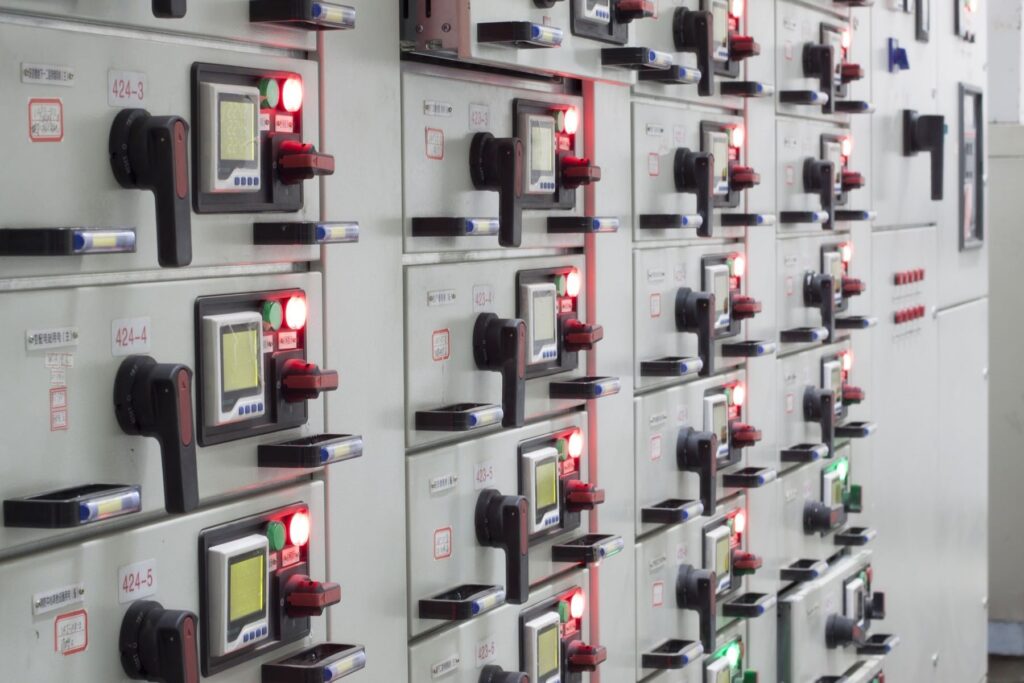
A yacht electrical refit often starts with a simple request: replace an aging panel, add equipment or resolve a recurring fault. Before that request becomes a useful quote, someone needs to establish how the proposed work connects to the rest of the vessel.
For captains, engineers and yacht managers planning a Fort Lauderdale yard period, the first priority is a clear scope. It gives the technical team a basis for evaluating access, interfaces, equipment and testing before the installation schedule is committed.
Start with the outcome the vessel needs
Describe the operational result before choosing replacement hardware. Is the goal to support additional equipment, improve serviceability, address obsolete components or investigate unreliable operation? Separate essential work from optional improvements so decisions remain clear if access or equipment availability changes.
A short issue list is useful: what happens, when it happens, which systems are affected and what work has already been attempted. Include the vessel’s intended use after the refit and any departure deadline.
Establish what is already onboard
Existing drawings, equipment schedules and previous service reports provide a starting point. They should be checked against the installation: years of additions can leave a gap between the paperwork and the vessel.
Where condition or performance is uncertain, a diagnostic assessment or electrical survey can help define the work. The appropriate testing depends on the proposed changes and reported concerns; every refit does not need the same survey package.
Include the interfaces in the quote
Replacing a component can affect cabling, distribution, controls, monitoring and the equipment around it. Ask the scope to identify those connections and state which items will be retained, modified or replaced.
- Equipment identification and available technical documents.
- Installation access, cable routes and spaces that other trades must open.
- Expected shutdowns and coordination with the yard or vessel team.
- Testing, documentation and crew handover.
Fine Line’s marine electrical services provide the service route for discussing installation and refit work. Where machinery controls are involved, bring those requirements into the same scope discussion.
Plan the acceptance checks before installation
Define what successful completion will look like. Agree which operating modes and equipment combinations need to be demonstrated, who will attend and what records the vessel needs afterward. Installation completion and operational acceptance should both have a place in the yard plan.
Leave room for findings that require a decision. A documented change process helps the captain or manager evaluate additional work against the vessel’s priorities.
What to send with your refit RFQ
Send the vessel name, location, anticipated yard dates, required completion date and a short description of the proposed work. Add panel photographs, equipment labels, drawings and known faults when available. Identify any equipment already purchased.
You do not need a completed engineering package to begin. Request an electrical refit quote from Fine Line with the details you have, and identify the decisions you need help resolving before the yard period.